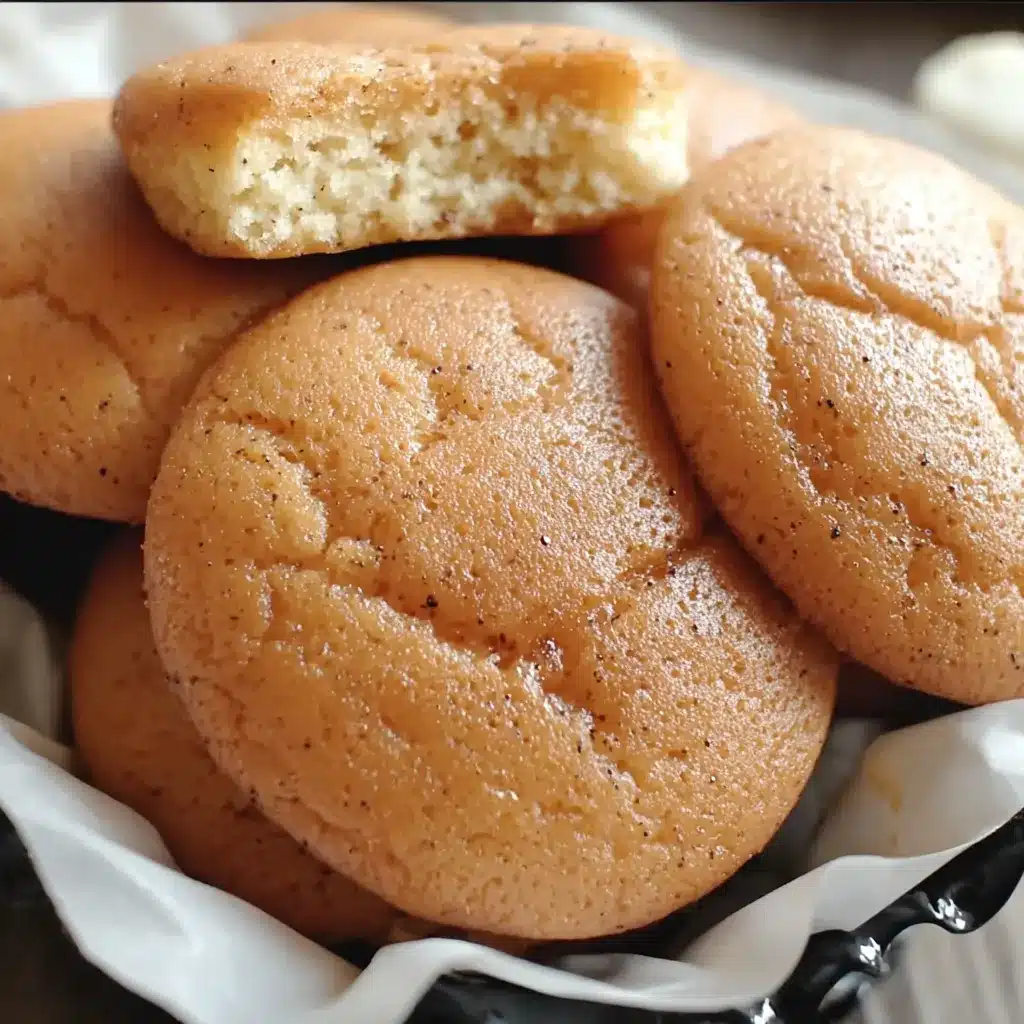
Southern Tea Cakes: Why These Buttery Comfort Cookies Aren't Sugar Cookies
There’s a comforting whisper in the air of Southern kitchens, often emanating from a chipped tin box or a cooling rack laden with modest, round delights. These aren't your average cookies; they are
southern tea cakes, and if you’ve never experienced their tender, buttery embrace, you're missing out on a truly authentic slice of Southern heritage. Often mistaken for sugar cookies due to their unassuming appearance, these delightful treats possess a distinct identity, a richer history, and a flavor profile that sets them leagues apart. Let’s embark on a journey to understand what makes southern tea cakes a cherished staple, a "memory keeper" as some fondly call them, and why their simple goodness continues to captivate hearts across generations.
What Exactly Are Southern Tea Cakes? A Culinary Identity
At first glance, a southern tea cake might seem like a plain Jane among the more flamboyant confections. Typically a pale golden disk, sometimes with a slightly crinkled edge, it lacks the sprinkles, frosting, or elaborate decorations often associated with modern cookies. Yet, its understated elegance belies a complex character built on simple, wholesome ingredients.
A true southern tea cake is characterized by its remarkable
texture: soft, tender, and distinctly cakey, almost like a miniature, flattened biscuit or a scone without the crumbly dryness. It’s a delicate balance – firm enough to hold its shape, yet yielding effortlessly to the bite. The secret lies in its core ingredients: an abundance of butter, often combined with buttermilk, and a careful blend of leavening agents like baking soda and baking powder. These elements work in harmony to create a dough that is typically quite soft and wet, resulting in that signature tender crumb once baked.
Flavor-wise, southern tea cakes are a revelation in subtlety. They are not overtly sweet, allowing the rich, buttery notes to shine through. A whisper of vanilla is almost always present, and often, a faint, warming hint of nutmeg or mace adds depth without overpowering. Unlike English tea cakes, which often incorporate yeast and dried fruits, southern tea cakes are about purity and simplicity, focusing on the fundamental flavors of dairy and flour elevated by precise baking. This distinct profile is a testament to their humble origins and the ingenuity of Southern cooks who crafted unparalleled comfort from pantry staples.
The Soulful Story: Why Southern Tea Cakes are More Than Just Dessert
To truly appreciate southern tea cakes, one must understand their profound historical and cultural significance. These aren't just cookies; they are edible narratives, carrying the weight of generations and the warmth of countless family gatherings. Their roots run deep, particularly within African-American households in the post-Civil War South. For many families, these tea cakes represented one of the few sweet indulgences that could be made from readily available and affordable ingredients like flour, sugar, butter (or lard), and eggs.
They became a symbol of hospitality, resilience, and love – a simple offering for Sunday dinners, church functions, funerals, or just an everyday treat to brighten a hard day. Grandmothers and great-grandmothers passed down recipes, often scribbled on worn recipe cards or simply taught through observation, turning baking into an act of preserving heritage. Each batch was infused with the spirit of community and tradition.
The "memory keeper" aspect of southern tea cakes is perhaps their most potent quality. For many, a single bite can transport them back to a grandparent’s kitchen, to the comforting aroma of baking, or to the feeling of belonging. The context recounts a beautiful anecdote of tasting them for the first time in a grandma's house, mistaken for sugar cookies, only to discover their deeper, less fussy, more *real* essence. This personal connection underscores why
Southern Tea Cakes: Beyond Dessert, The Enduring History is not just about a recipe, but about the stories and emotions baked into every crumb. They are, in essence, tangible links to a cherished past, offering comfort and a taste of home no matter where life takes you.
Southern Tea Cakes vs. Sugar Cookies: The Key Differences
While they might share a similar round shape and a fundamental sweetness, equating southern tea cakes with sugar cookies is a culinary oversight. The differences are nuanced yet profound, affecting everything from texture and flavor to historical context and preparation.
*
Texture Profile: This is arguably the most significant differentiator. Southern tea cakes are famously
tender, soft, and distinctly cakey. They possess a delicate crumb that almost melts in your mouth. Sugar cookies, on the other hand, can vary widely. While some are soft, many are designed to be crisp, chewy, or firm enough to hold intricate cut-out shapes and heavy frosting. Their texture is often denser or more crumbly than the airy softness of a tea cake.
*
Flavor Nuance: Southern tea cakes prioritize a deep, rich buttery flavor balanced by mild sweetness. The addition of vanilla is crucial, and subtle spices like nutmeg or mace often provide a warm, understated complexity. They are not meant to be overwhelmingly sweet. Sugar cookies, by contrast, are typically sweeter, often serving as a canvas for glazes, royal icing, or sprinkles, where the decoration and added sugar take center stage over the cookie's inherent flavor.
*
Ingredient Distinction: While both use flour, sugar, eggs, and butter, the proportions and additional ingredients in southern tea cakes are key. The inclusion of
buttermilk is a signature feature, contributing to their unique tenderness and slight tang, which sugar cookies typically lack. Also, the balance of leavening agents (baking soda and baking powder) is precisely calibrated in tea cakes to achieve their desired cake-like rise and texture.
*
Dough Consistency and Handling: The dough for southern tea cakes is notoriously
soft and wet. It requires chilling to become manageable for rolling and cutting. Sugar cookie dough can range from soft to quite stiff, often designed for intricate cutting with minimal chilling or for holding its shape well during baking.
*
Purpose and Presentation: Southern tea cakes are about rustic comfort and understated elegance. They are rarely elaborately decorated, their beauty lying in their simplicity and taste. They are everyday luxuries, baked for intimate family moments or community gatherings. Sugar cookies, while also comforting, are often associated with holidays, celebrations, and elaborate decorating, serving as a festive centerpiece as much as a treat.
Mastering the Art of Authentic Southern Tea Cakes: Tips for Your Kitchen
Baking a batch of authentic southern tea cakes is a rewarding experience that connects you directly to a rich culinary tradition. While the process is straightforward, a few key tips can elevate your homemade treats to perfection:
*
Quality Ingredients Matter: Since the flavor profile is subtle, using high-quality ingredients makes a noticeable difference. Opt for real butter, good vanilla extract, and fresh buttermilk. These foundational elements will shine through.
*
Don't Skimp on the Butter: The generous amount of softened butter is crucial for both flavor and that signature tender crumb. Ensure your butter is truly softened, not melted, for proper blending.
*
The Magic of Buttermilk: Buttermilk isn't just for adding moisture; its acidity reacts with the baking soda to create lift and contributes to the tea cake's characteristic tenderness. If you don't have buttermilk, you can make a substitute by adding a tablespoon of lemon juice or white vinegar to regular milk and letting it sit for 5-10 minutes until it slightly curdles.
*
Mind the Dough's Consistency: Remember, the dough will be soft and wet. This is correct! Resist the urge to add too much extra flour during mixing or initial handling, as this can make your tea cakes tough.
*
Chill Time is Crucial: Chilling the dough for at least an hour is non-negotiable. This firms up the butter, makes the dough easier to roll without sticking, and helps prevent the cookies from spreading too much in the oven, ensuring a better texture.
*
Flour Your Surface (But Not Excessively): When rolling out, lightly flour your work surface and rolling pin. Use just enough to prevent sticking, as too much extra flour can alter the dough's balance.
*
The Right Thickness: Rolling the dough to about 1/4 inch thick is ideal. This thickness allows for that perfect cakey interior without being too thin or too dense.
*
Don't Overbake: Southern tea cakes bake quickly, typically in 10-12 minutes at 350°F (175°C). They should be lightly golden around the edges but still pale in the center. Overbaking will dry them out and diminish their tenderness. Remove them from the oven while they still look slightly soft.
*
Serve with Love: These cookies are best enjoyed fresh, perhaps with a cup of coffee or tea, just as their name suggests. Store any leftovers in an airtight container to maintain their softness.
In conclusion, southern tea cakes are far more than just "another kind of sugar cookie." They are a distinct culinary treasure, embodying the warmth, history, and resourceful spirit of Southern cooking. Their tender, buttery crumb, subtle sweetness, and profound historical significance set them apart, making each bite a journey into a cherished past. So, next time you crave a truly comforting treat, bypass the sprinkles and elaborate frostings. Reach for the genuine, understated magic of southern tea cakes and experience a taste of tradition that nourishes both body and soul.