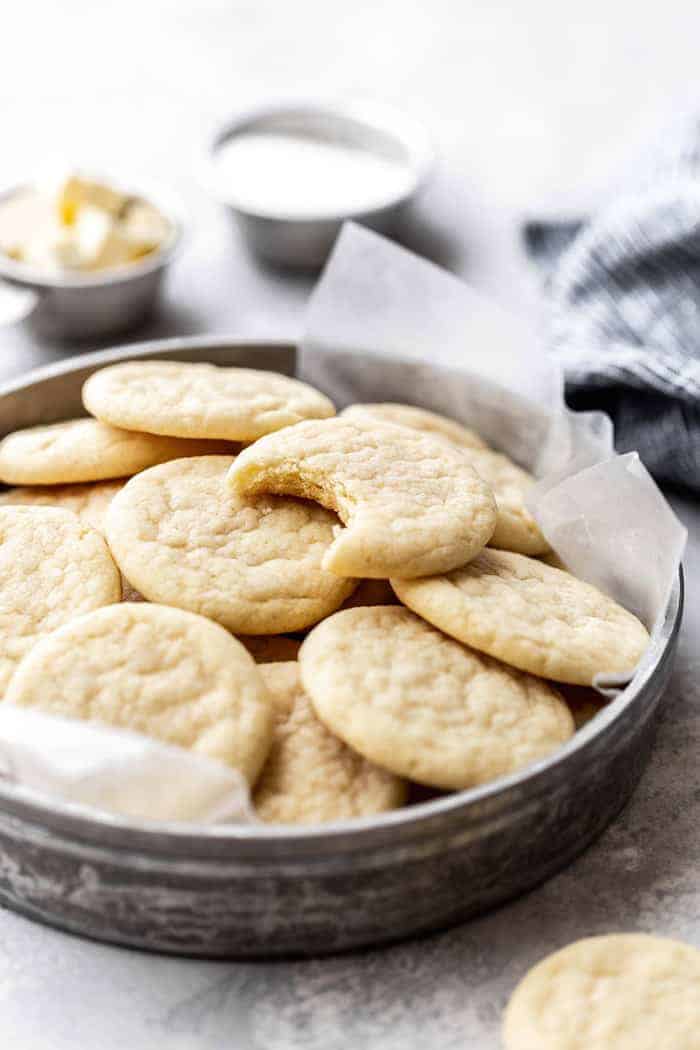
Bake Authentic Southern Tea Cakes: A 100-Year-Old Recipe Guide
There’s a certain magic to a humble baked good that transcends mere ingredients, becoming a vessel for history, comfort, and cherished memories. For many in the American South, that magic resides in a simple, soft, and utterly buttery treat known as the
southern tea cake. These aren't just cookies; they are an invitation to slow down, savor a moment, and taste a tradition that has gracefully spanned generations. If you’ve never experienced the tender, cake-like crumb of an authentic southern tea cake, you're about to embark on a culinary journey that promises true comfort.
In this comprehensive guide, we're not just sharing a recipe; we're unveiling a slice of heritage. We’ll delve into the rich tapestry of what makes southern tea cakes so special, explore their profound historical significance, and provide a time-honored, 100-year-old recipe, complete with expert tips to ensure your homemade batch is nothing short of perfection. Get ready to bake more than just a dessert; you’re about to bake a memory.
The Enduring Charm of Southern Tea Cakes: More Than Just a Cookie
Imagine stepping into your grandmother's kitchen, the air thick with the aroma of something sweet and comforting. For many, that sensory memory is inextricably linked to the southern tea cake. My own earliest memory takes me back to my grandma’s small home, where these precious treats were stored in a slightly chipped tin box, nestled beside jars of homemade peach preserves. At eight years old, I mistakenly thought they were just another variation of a sugar cookie. One bite, however, revealed a world of difference.
They were profoundly tender, almost cakey, with a subtle whisper of vanilla and sometimes a hint of nutmeg that lingered delightfully. Not overly sweet, not ostentatious, but pure, simple, and honest goodness. Grandma would say, "These are what your great-grandmother made for the church ladies and for comfort after a funeral." It was in that moment I first understood how a recipe could carry history, becoming a tangible link to the past.
When I later moved far from home, a craving for that particular comfort led me to recreate them. After a few attempts, I finally achieved that familiar taste, and ever since, these cookies have been a staple, a little piece of home in every bite.
What Makes Tea Cakes "Southern" and Unique?
At first glance, a
southern tea cake might resemble a sugar cookie, but its identity is much deeper and more complex. These treats have deep cultural roots, particularly within African-American households in the post-Civil War South. They stood out as one of the few sweet indulgences that could be made from readily available and affordable pantry staples like flour, sugar, butter (or lard), and milk. This accessibility cemented their place as a staple for celebrations, Sunday dinners, and moments of shared community.
Unlike their European counterparts, which often include yeast or dried fruit, southern tea cakes are characterized by their elegant simplicity, soft texture, and a distinct, buttery flavor profile. They are denser and fluffier than typical sugar cookies, with a unique crumb that truly melts in your mouth. Often, a subtle spice like nutmeg or a generous splash of vanilla is included, creating a nuanced flavor that speaks of tradition. They are "memory keepers," known widely as "Black southern tea cakes" or simply the "100-year-old tea cake recipe," embodying a legacy baked into every single bite. For a deeper dive into their fascinating origins, you might enjoy reading
Beyond Dessert: The Enduring History of Southern Tea Cakes. To understand the distinct differences from their often-confused cousin, the sugar cookie, check out
Southern Tea Cakes: Why These Buttery Comfort Cookies Aren't Sugar Cookies.
Mastering the Authentic Southern Tea Cakes Recipe
To truly capture the essence of these beloved treats, we turn to a recipe that has been refined through generations – a true 100-year-old tradition. This recipe is straightforward, relying on simple, quality ingredients to deliver unparalleled flavor and texture.
Ingredients You'll Need:
- 4 cups all-purpose flour
- 1 teaspoon baking soda
- 2 teaspoons baking powder
- 2 cups granulated sugar
- 2 large eggs
- 1/2 cup buttermilk (room temperature is best!)
- 1/2 lb (2 sticks) unsalted butter, softened
- 1 teaspoon pure vanilla extract
- Optional: 1/2 teaspoon freshly grated nutmeg or a pinch of cinnamon for an authentic flavor whisper
Essential Equipment:
- Large mixing bowls (at least two)
- Fine-mesh sifter
- Electric hand mixer or stand mixer (optional, but makes creaming butter easier)
- Measuring cups and spoons
- Plastic wrap
- Rolling pin
- Cookie cutters (round ones for traditional southern tea cakes)
- Baking sheets (lightly greased or lined with parchment paper)
- Wire cooling racks
Step-by-Step Guide to Baking Perfect Southern Tea Cakes
Follow these steps carefully, and you’ll be rewarded with a batch of tender, flavorful
southern tea cakes that taste like they came straight from your great-grandmother's kitchen.
- Prepare Your Oven: Preheat your oven to 350°F (175°C). Prepare your baking sheets by lightly greasing them or lining them with parchment paper.
- Combine Dry Ingredients: In a large bowl, sift together the all-purpose flour, baking soda, and baking powder. Sifting is crucial here, as it aerates the flour, ensuring a lighter, more tender crumb in your finished tea cakes. If using, add the optional nutmeg or cinnamon to this mixture.
- Cream Butter and Sugar: In a separate, even larger mixing bowl, cream together the softened unsalted butter and granulated sugar. Using an electric mixer on medium speed, beat until the mixture is light, fluffy, and pale in color. This step incorporates air, which contributes to the cakey texture of the tea cakes.
- Incorporate Wet Ingredients: Add the eggs to the creamed butter and sugar, one at a time, beating well after each addition until fully incorporated. Next, pour in the room temperature buttermilk and pure vanilla extract. Mix on low speed until just combined. The mixture might look slightly curdled at this stage, but don't worry, it will come together.
- Combine Wet and Dry: Gradually add the sifted dry ingredients to the wet mixture, mixing on low speed until just combined. Be careful not to overmix; overworking the dough can lead to tough tea cakes. The dough will be very soft and somewhat wet – this is exactly how it should be.
- Chill the Dough: Gather the soft dough into a disk, wrap it tightly in plastic wrap, and refrigerate for at least 1 hour. Chilling is a critical step; it firms up the butter, making the dough much easier to handle, prevents excessive spreading during baking, and allows the flavors to meld beautifully. You can chill it for up to 24 hours for even better flavor development.
- Roll and Cut: Lightly flour a clean work surface. Remove half of the chilled dough from the refrigerator (keep the other half chilled until ready to use). Using a rolling pin, roll the dough out evenly to approximately 1/4 inch thick. Use your favorite cookie cutters – traditional southern tea cakes are often cut into simple rounds, but any shape will do.
- Bake to Perfection: Carefully transfer the cut dough shapes to your prepared baking sheets, leaving about an inch between each cookie. Bake for 10 to 12 minutes, or until the edges are lightly golden. The centers should remain pale and soft. It’s important not to overbake, as this can dry them out.
- Cool: Once baked, let the tea cakes cool on the baking sheet for about 5 minutes. They are delicate when warm. Then, carefully transfer them to a wire rack to cool completely.
Expert Tips for Unforgettable Southern Tea Cakes
Baking authentic
southern tea cakes is more an art than a science, and these pro tips will help you achieve perfection every time:
- Quality Ingredients Matter: Use good quality unsalted butter and fresh buttermilk. The butter contributes significantly to the flavor and texture, while buttermilk adds a subtle tang and helps activate the baking soda for that tender crumb.
- Room Temperature Wet Ingredients: Ensure your eggs and buttermilk are at room temperature. This helps them emulsify better with the butter and sugar, leading to a smoother, more uniform dough.
- Don't Overmix the Dough: Once you add the flour, mix only until just combined. Overmixing develops the gluten in the flour, resulting in tough, chewy tea cakes rather than the desired soft, cakey texture.
- Chilling is Non-Negotiable: Resist the temptation to skip chilling the dough. It makes the dough easier to roll, prevents spreading in the oven, and allows the flavors to deepen.
- Uniform Thickness: Roll your dough to an even 1/4 inch thickness. This ensures consistent baking and the classic soft texture. If some are thinner, they'll bake faster and potentially burn while thicker ones remain undercooked.
- Watch Your Oven Closely: Ovens can vary. Keep an eye on your tea cakes during the last few minutes of baking. They should look barely golden around the edges; if they brown too much, they will lose their signature softness.
- Storage: Store your cooled southern tea cakes in an airtight container at room temperature. Like many Southern baked goods, they often taste even better the next day as the flavors continue to meld. They can keep for up to a week.
A Taste of Tradition in Every Bite
Baking authentic
southern tea cakes is a delightful way to connect with a rich culinary history and create new cherished memories. These simple yet profound treats embody comfort, heritage, and the enduring spirit of Southern hospitality. From their humble origins as an affordable indulgence to their status as beloved "memory keepers," each soft, buttery bite offers a connection to the past.
So, gather your ingredients, follow this time-honored recipe, and prepare to fill your home with the inviting aroma of these truly special cookies. Whether served with a cup of coffee, a glass of cold milk, or as part of a festive spread, your homemade southern tea cakes are sure to become a beloved tradition in your own kitchen. They are more than just a dessert; they are a taste of home, a piece of history, and a simple joy waiting to be shared.