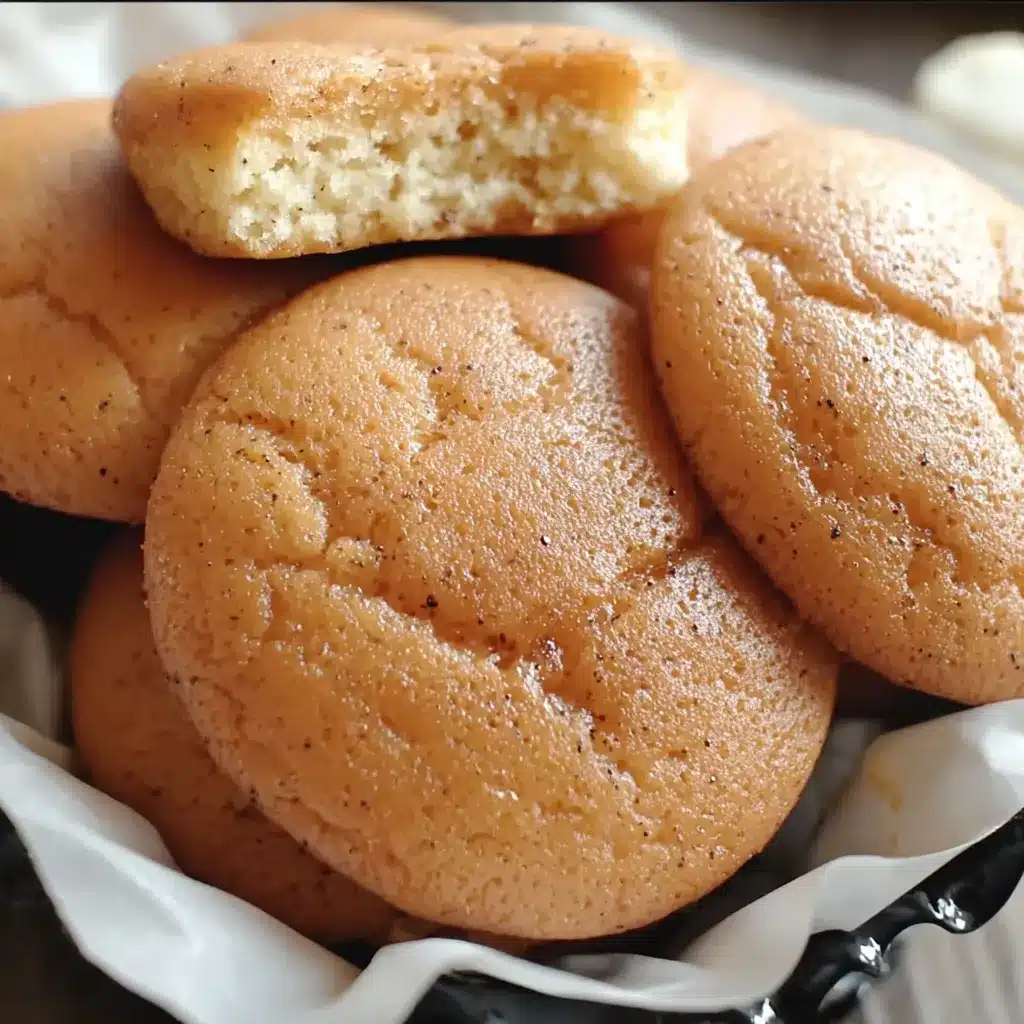
Beyond Dessert: The Enduring History of Southern Tea Cakes
There are some culinary creations that transcend mere ingredients, becoming woven into the fabric of culture, memory, and tradition. For many across the American South, the southern tea cake is precisely one such treasure. Far more than a simple cookie, these tender, buttery delights are echoes of generations past, carriers of stories, and emblems of steadfast comfort. If you've never experienced the subtle sweetness and delicate texture of a freshly baked southern tea cake, you're missing out on a truly authentic slice of Southern heritage.
Often mistaken for their crispier cousin, the sugar cookie, southern tea cakes possess a distinct identity. They are softer, denser, and boast a unique cake-like crumb that melts in your mouth. This isn't just about a recipe; it's about a culinary tradition deeply rooted in history, particularly within African-American households, where these treats evolved from simple pantry staples into beloved symbols of hospitality and celebration. Join us as we journey into the warm world of southern tea cakes, exploring their rich origins, understanding what makes them so unique, and discovering how you can recreate their nostalgic magic in your own kitchen.
The Heart of the South: What Defines Southern Tea Cakes?
What sets a southern tea cake apart from other sweet indulgences? The answer lies in a beautiful blend of humble ingredients, specific preparation, and profound cultural significance. At first glance, they might indeed resemble sugar cookies, but a single bite reveals their true character. Southern tea cakes are typically thicker, fluffier, and boast a tender, slightly chewy interior that's distinctly cakey rather than crisp. Their flavor profile is often subtle, emphasizing the rich butter and a gentle sweetness, sometimes with a whisper of spice like nutmeg that lingers delightfully.
Unlike their English counterparts, which might incorporate yeast or dried fruits, traditional southern tea cakes are a testament to simplicity. They rely on basic pantry items such as flour, sugar, butter (or lard in older recipes), eggs, and buttermilk. This emphasis on accessible ingredients was not just a culinary choice but a historical necessity, especially in the post-Civil War South. For African-American families, these easily made, comforting treats became a valuable indulgence, frequently gracing tables for Sunday dinners, church gatherings, and moments of quiet celebration. They represent a tradition born of resourcefulness and love, transforming everyday staples into something truly special. Indeed, these cookies are often referred to as "memory keepers," embodying a tangible link to ancestral kitchens and cherished moments. To understand their unique texture and why they are not just another sugar cookie, you might find more insights in our article, Southern Tea Cakes: Why These Buttery Comfort Cookies Aren't Sugar Cookies.
A Taste of History: The Enduring Legacy of Southern Tea Cakes
Every bite of a southern tea cake is a bite into history. These simple cookies carry a legacy that spans generations, particularly within the Black Southern community where they became a cornerstone of culinary identity. Imagine a small house in Tulsa, Oklahoma, where a grandmother kept her treasured tea cakes in a chipped tin box, nestled beside mason jars brimming with peach preserves. This isn't just a nostalgic scene; it's a testament to how these treats transcended their role as mere desserts. They were provisions for church ladies, solace at funerals, and sweet moments shared with growing grandchildren.
The story of southern tea cakes often begins with stories like these—recipes scribbled on cards, passed down by hand, stained by time, and flavored with an immeasurable amount of love. Historically, "Black southern tea cakes" were one of the few sweet indulgences readily available and affordable for African-American families. They became a symbol of resilience and community, a simple luxury created from necessity. Using common, inexpensive ingredients, these cakes were prepared for communal gatherings, celebrations, and as a comforting gesture in times of need. Their consistent presence cemented their status not just as a recipe, but as a cherished tradition that connected families and communities through generations. This deep historical and cultural resonance is what truly elevates the southern tea cake beyond a mere cookie; it's a piece of living history, baked into every tender crumb.
Crafting Comfort: Decoding the Classic Southern Tea Cake Recipe
Bringing the timeless tradition of southern tea cakes into your own home is a rewarding experience. The process is straightforward, relying on fundamental baking principles to create that distinctive soft, cakey texture. While recipes might vary slightly from one family's treasured card to another, the core elements remain consistent. Here's a foundational understanding of how these beloved treats come to life:
Essential Ingredients for Authentic Southern Tea Cakes:
- Flour: Typically all-purpose flour provides the structure.
- Leavening Agents: A combination of baking soda and baking powder ensures a tender, airy crumb.
- Sugar: Granulated sugar provides sweetness without overpowering other flavors.
- Fats: Softened butter is key for richness and tenderness. Some older recipes might have used lard, imparting a slightly different texture and flavor.
- Eggs: Act as binders and contribute to the cakey texture.
- Buttermilk: Essential for a subtle tang and helps activate the baking soda, contributing to the soft crumb.
- Flavoring: Vanilla extract is standard, often accompanied by a pinch of nutmeg for that classic Southern warmth.
Step-by-Step Baking Process:
- Combine Dry Ingredients: Begin by sifting together the flour, baking soda, and baking powder. Sifting is crucial here to ensure even distribution of the leavening agents and to create a lighter texture. Many traditional recipes also call for adding a whisper of nutmeg at this stage.
- Cream Butter and Sugar: In a separate bowl, cream the softened butter with the sugar until light and fluffy. This step incorporates air, which is vital for the tea cake's characteristic tenderness.
- Add Wet Ingredients: Beat in the eggs one at a time, ensuring each is fully incorporated. Then, gradually add the buttermilk and vanilla extract. The dough will be quite soft and wet at this point, which is exactly as it should be.
- Combine Wet and Dry: Slowly add the sifted dry ingredients to the wet mixture, mixing just until combined. Avoid overmixing, as this can develop the gluten too much, leading to tough tea cakes.
- Chill the Dough: This is a critical step for handling. Shape the soft dough into a disk, cover it tightly with plastic wrap, and refrigerate for at least 1 hour. Chilling allows the butter to firm up and the flour to fully hydrate, making the dough much easier to roll out and preventing excessive spreading during baking.
- Roll and Cut: On a lightly floured surface, roll the chilled dough out to approximately 1/4 inch thick. Use your desired cookie cutters to create shapes – traditional tea cakes are often simple rounds, but any shape works.
- Bake: Place the cut-out dough on a lightly greased baking sheet and bake in a preheated oven (around 350°F / 175°C) for 10 to 12 minutes, or until the edges are lightly golden and the centers are set. Be careful not to overbake, as this will dry them out.
For a detailed guide on proportions and steps to bake your own batch of these nostalgic treats, explore our comprehensive recipe article: Bake Authentic Southern Tea Cakes: A 100-Year-old Recipe Guide.
Beyond the Basics: Tips for Perfecting Your Southern Tea Cakes
Achieving that perfect, melt-in-your-mouth southern tea cake texture and flavor often comes down to a few key insights gleaned from generations of bakers. While the recipe is simple, mastering it means paying attention to subtle details:
- Room Temperature Ingredients: Ensure your butter, eggs, and buttermilk are all at room temperature. This allows them to emulsify properly, creating a smooth, homogenous dough and a more consistent, tender texture in the finished cake.
- Don't Overmix: After combining the wet and dry ingredients, mix just until no streaks of flour remain. Overmixing develops gluten, which can lead to tough, dense tea cakes rather than the desired soft, cakey consistency.
- The Importance of the Chill: Resist the urge to skip or shorten the chilling time. This step is non-negotiable for manageability of the dough and prevents the cookies from spreading too much in the oven. A well-chilled dough yields thicker, more tender tea cakes.
- Handle with Care: Once the dough is rolled and cut, transfer the shapes gently to your baking sheet. Overworking or stretching the dough can result in misshapen or tough cookies.
- Watch Your Bake Time: Southern tea cakes are best when they are just barely golden at the edges and still soft in the center. Overbaking is the quickest way to dry them out and lose that quintessential tender crumb. They should feel soft to the touch when removed from the oven and will firm up slightly as they cool.
- Subtle Spice: While vanilla and butter are the stars, a pinch of freshly grated nutmeg is the traditional spice and provides a lovely warmth without overpowering. Some variations might include a hint of lemon zest or even a touch of mace for a slightly different aromatic profile.
- Storage is Key: To keep your tea cakes fresh and tender, store them in an airtight container at room temperature. A traditional tin box, much like those used by grandmothers, is ideal for preserving their softness for several days.
Serve your warm, comforting southern tea cakes with a cup of coffee, a glass of cold milk, or, of course, a cup of freshly brewed tea. They are perfect for quiet moments, cherished family gatherings, or simply as a delightful reminder of home.
A Timeless Southern Comfort
From their humble beginnings born of necessity and ingenuity to their cherished place in modern Southern kitchens, southern tea cakes remain an unparalleled symbol of comfort, history, and community. They are more than just a sweet treat; they are memory keepers, embodying the resourcefulness, love, and hospitality that define Southern culture. Each tender, buttery bite offers a connection to generations past, a whisper of old stories, and the enduring warmth of home.
Whether you're recreating a family recipe passed down through generations or discovering these delightful cookies for the first time, baking southern tea cakes is an experience that nourishes the soul as much as it delights the palate. So, gather your ingredients, follow the gentle rhythm of tradition, and allow yourself to savor the simple, profound joy of these enduring Southern treasures.
